
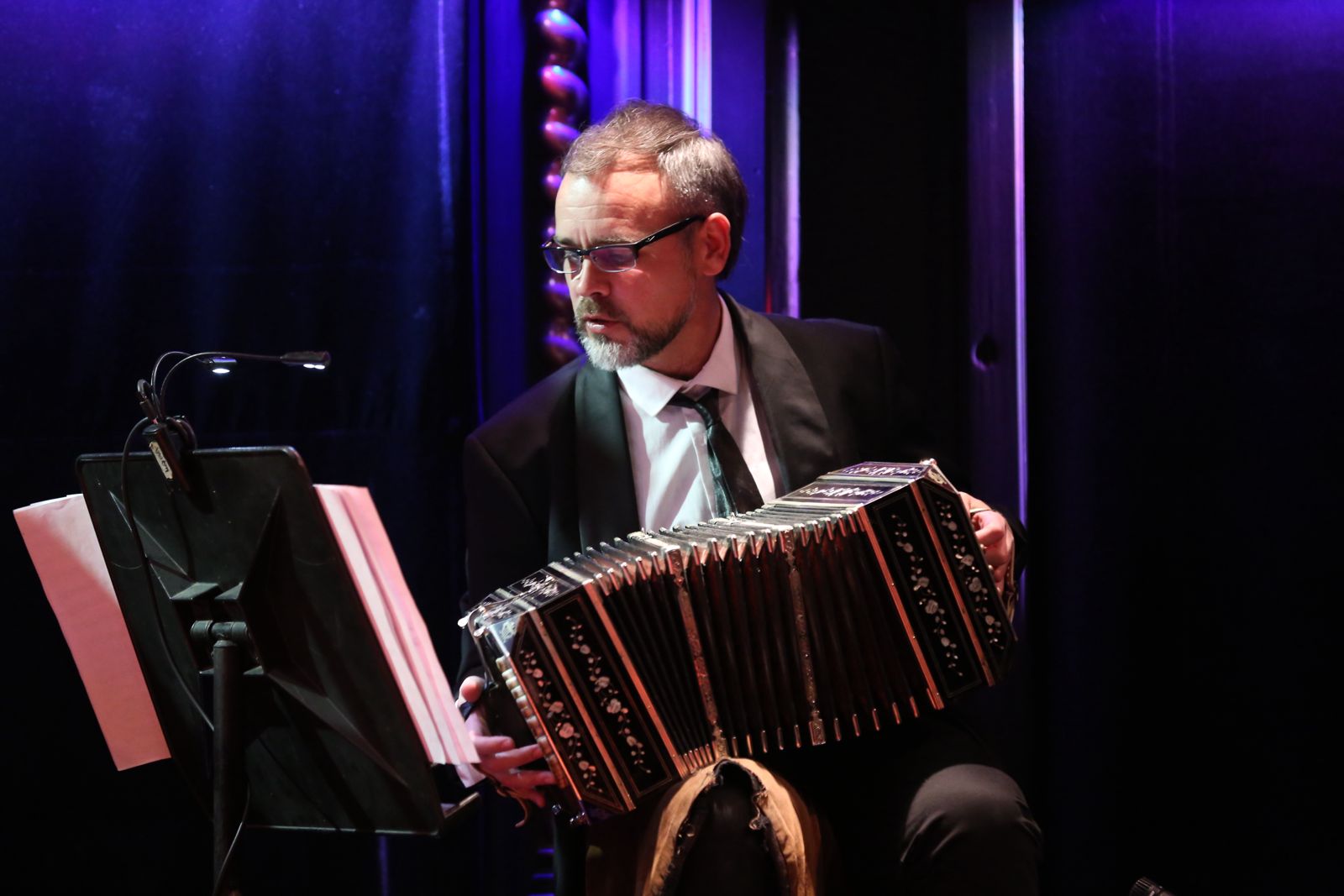
There’s a kind of night in Buenos Aires that never makes it into the tourist brochures. No neon lights, no Tripadvisor bookings. The entrance is usually an unmarked door, up on the first floor of a building that lived through the entire 20th century. Inside, the air smells of old wood and talcum powder. The floor is packed, but no one pushes. That’s a milonga in Buenos Aires.
The milonga in Buenos Aires isn’t just a musical style or a specific venue: it’s a social institution that has run for more than a hundred years on its own rules, its own codes, and its own non-verbal language. If you visit Buenos Aires and skip it, you’re missing one of the city’s most authentic cultural experiences. And if you think it’s only for expert dancers, this article is going to change your mind.
What a Milonga in Buenos Aires Actually Is
The word milonga has three meanings that sometimes get mixed up. It can refer to a musical rhythm (milonga as a genre, related to tango but with a different meter), to a specific dance within the tango repertoire, or to the social event where people gather to dance tango live. In Buenos Aires, when someone says “I’m going to the milonga,” they almost always mean the last one: the gathering.
A milonga is, at its core, a social tango dance. It’s not a performance or a show. There are no performers, no stage. The floor belongs to the people who show up, and status is earned through experience and respect for the code — not through how much you spent on the cover charge.
Some milongas have run three nights a week for decades. Others are weekly, some sporadic. On any given day in Buenos Aires, between five and fifteen milongas take place at the same time across different neighborhoods.
The Code of the Milonga: Unwritten Rules Everyone Knows
The first thing you notice walking into a milonga is the relative hush. People talk, but quietly. Dancers move around the floor counterclockwise and stick to the line of dance without anyone having to tell them to.
To ask someone to dance, there’s the cabeceo: a subtle nod and look the man sends across the room toward the woman from his table. If she meets his eyes, she gets up. If she looks down or away, that’s a polite no. No words, no explicit rejection. The system might seem old-fashioned, but it serves a practical purpose: it cuts down on conflict and social pressure on the floor. No one has to turn anyone down in public. No one gets exposed.
Tandas and cortinas are another signal of the milonguero code. Songs are grouped into tandas of three or four tracks in the same style (tango, milonga, or vals). Between each tanda, the DJ plays a cortina: a song from another genre that signals the couple can part ways. Dancing with someone all night, ignoring the cortinas, sends a message as clear as leaving the milonga together.
Types of Milonga in Buenos Aires
Traditional or Neighborhood Milongas
These are the oldest and strictest when it comes to the code. They take place in halls like Club Gricel or Sunderland in the Villa del Parque neighborhood. The dance level tends to be high, average age too, and the code is enforced more rigidly. An inexperienced visitor can attend, but will probably spend more time watching than dancing — and that’s fine.
Milongas de Práctica
These are more relaxed spaces, meant for learning and improving. The code applies more loosely. You can stop mid-dance to ask for feedback, practice individual steps, or switch partners. They’re the ideal entry point for anyone who wants to participate actively without the level required at a traditional milonga.
Alternative or Tango Nuevo Milongas
These emerged in the 2000s and break with part of the classic code. The music blends tango with electronic or jazz. The cabeceo isn’t always used. Gender roles are more flexible. They take place in bars around Palermo or San Telmo and draw a younger crowd with less formal tango training.
Milonga vs. Tango Show: How to Choose Based on Where You’re At
This is the distinction that confuses visitors the most. A tango show is a professional performance designed for an audience: there’s a stage, rehearsed choreography, theatrical costumes, and often dinner included. A milonga is a social dance: no performance, no stage — just a floor where anyone can dance.
Both experiences have value. The show gives you the most visual and accessible version of tango: you can grasp the technique, the history, and the aesthetic without knowing a single step. The milonga puts you inside the living culture. When time is short, many visitors choose the show first and the milonga later, if their curiosity wants more.
At El Querandí, in the heart of San Telmo, the tango dinner show combines the quality of a professional performance with the authenticity of the neighborhood where tango grew up. It’s the ideal starting point before working up to the milonga.
How to Prepare for a Milonga If You Don’t Know How to Dance
The short answer: take at least one class beforehand. Not to dance well, but to understand the basic codes — the embrace, the direction of the floor, the basic step. That’s enough to avoid getting in experienced dancers’ way and to move with at least a bit of confidence.
The long answer: don’t underestimate the level at traditional milongas. In Buenos Aires, there are people who’ve been dancing three times a week for thirty years. The technical gap is visible, and showing up unprepared can make the experience frustrating. That’s why prácticas are the real first step, and shows are the gentlest entry point for visitors from abroad.
As for clothing: traditional milongas have a certain dress code. Formal or semi-formal wear for women (heels, elegant skirts or trousers), a suit or dress pants with a shirt for men. Alternative ones are more casual. Smooth-soled leather shoes make moving easier, but they’re not required for a first visit.
Frequently Asked Questions About the Milonga
Can you go to a milonga without knowing how to dance? Yes, especially at alternative milongas or prácticas. At traditional milongas, it’s best to attend as an observer the first time, or go after at least one introductory class. No one will ask you to leave, but dancing without the basic codes can disrupt the flow of the floor.
How much does it cost to get into a milonga? Prices range from around 2,000 to 8,000 Argentine pesos, depending on the type of milonga and whether a drink is included. Prácticas tend to be cheaper. Some neighborhood milongas offer membership rates for regulars.
What time does the milonga start in Buenos Aires? Traditional milongas usually start between 11 pm and midnight and run until 4 or 5 in the morning. Prácticas start earlier, often around 7 or 8 pm. Alternative milongas vary depending on the venue.
Is the milonga only for couples? No. You can go perfectly well on your own. The cabeceo system is designed precisely so that people who come alone can find a partner inside the hall. In fact, going solo is common practice among the most experienced dancers.
Are there milongas in San Telmo specifically? Yes. San Telmo has a deep history with tango and is home to several milongas. The neighborhood is also where El Querandí is located, where the tango dinner show offers a first taste of tanguero culture for those who aren’t ready for a traditional milonga yet. More information in our full guide to the San Telmo neighborhood in Buenos Aires.
Conclusion
Getting to know the milonga doesn’t require knowing how to dance. It requires curiosity and a willingness to read the codes of a space that has worked this way for decades, with few changes, because what it offers is still relevant: human contact, live music, dance as a conversation without words.
Buenos Aires has plenty of attractions. The milonga is one of the few that can’t be replicated anywhere else in the world in quite the same way. If you’d rather start with something more accessible before taking that step, the tango dinner show at El Querandí is the place where tango explains itself, with great food alongside it and the historic old town as its backdrop.